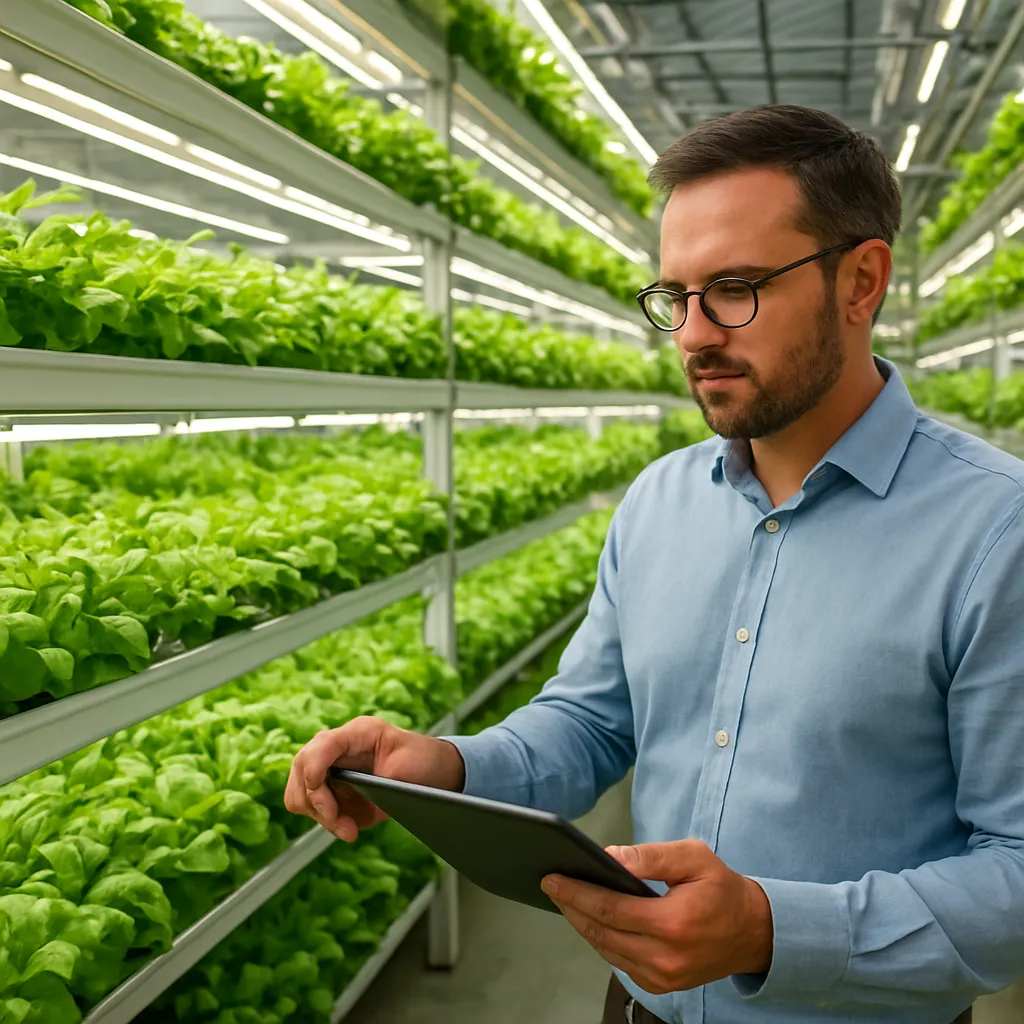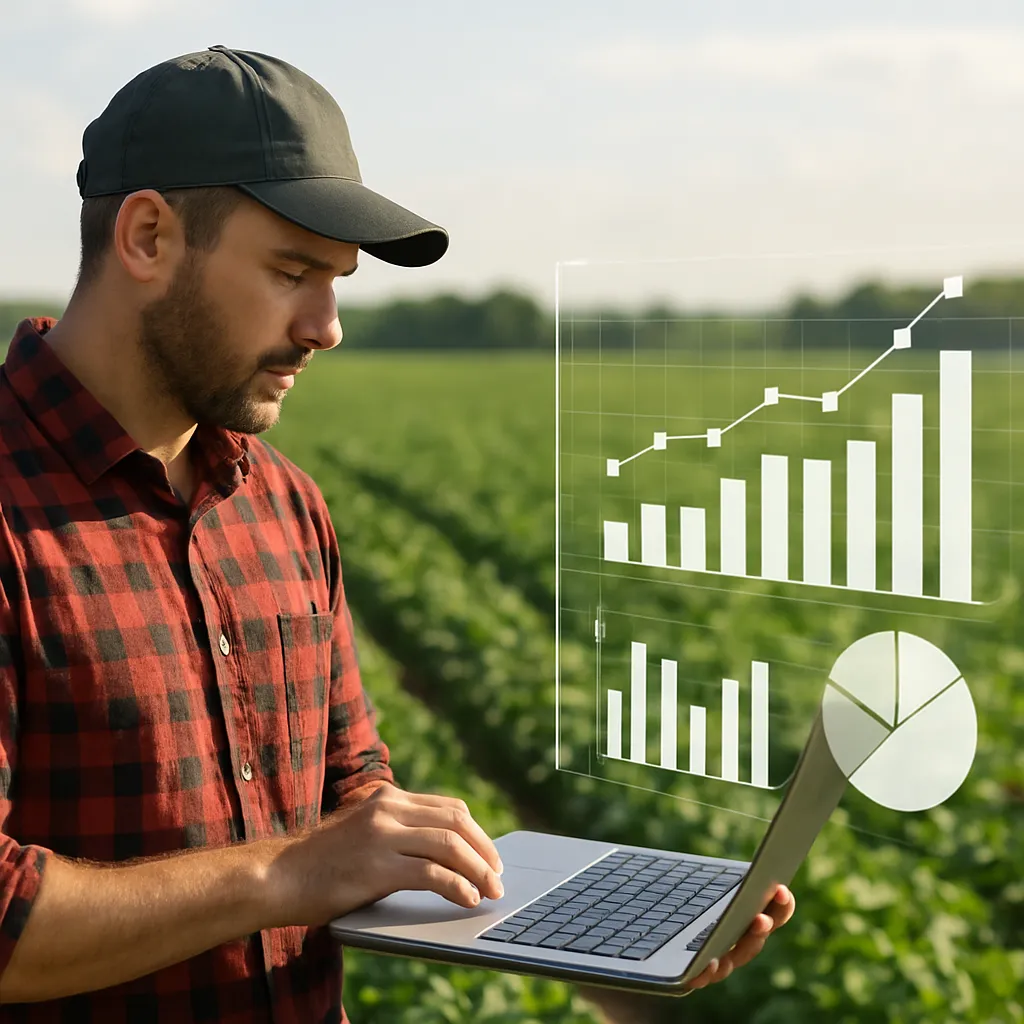


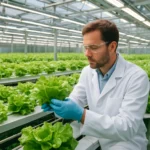
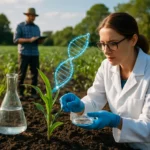
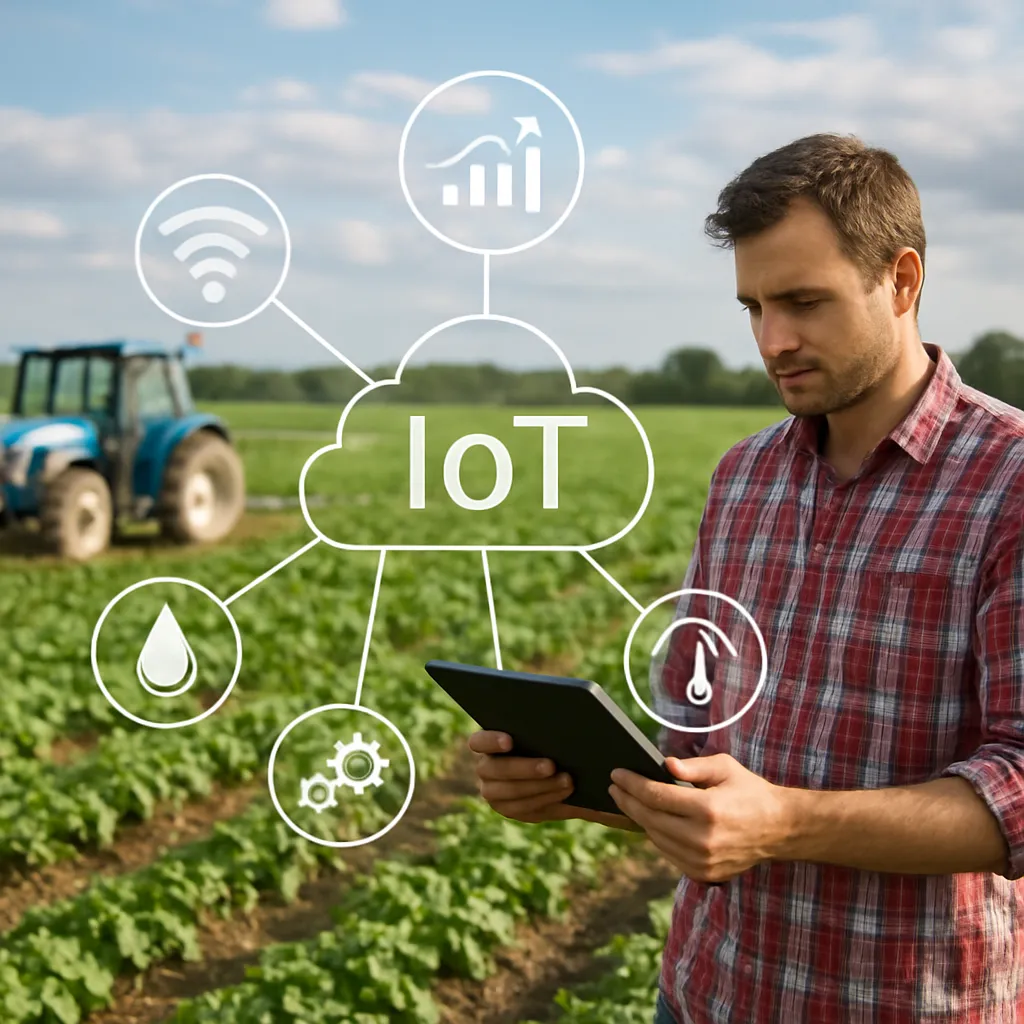
The Impact of IoT on Global Food Production explores the transformative role of interconnected devices, sensors, and analytics in reshaping modern agriculture. By harnessing real-time insights and advanced technologies, farmers and agribusinesses are achieving unprecedented levels of efficiency and precision, fostering a more sustainable and resilient food system worldwide.
Integrating Smart Sensors into Crop Management
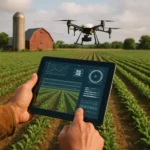
Within the realm of precision agriculture, the deployment of smart sensors and wireless networks is revolutionizing how crops are monitored and managed. Soil moisture probes, weather stations, and aerial drones equipped with multispectral cameras deliver continuous streams of data, enabling growers to make data-driven decisions at a granular level.
Real-Time Soil and Plant Monitoring
- Soil sensors measure moisture, pH, temperature, and nutrient levels, reducing water and fertilizer waste.
- Leaf wetness and canopy temperature sensors assess plant health, facilitating early detection of disease or stress.
- Drones capture high-resolution imagery, generating vegetation indices that pinpoint underperforming zones within a field.
By integrating these inputs into a unified platform, farmers can apply irrigation and crop protection agents in a targeted manner. This approach not only increases yield but also minimizes runoff and chemical overuse, safeguarding surrounding ecosystems.
Automation and Robotics
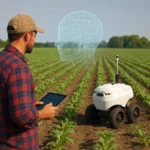
Automated systems, such as robotic harvesters and autonomous tractors, are guided by connected sensor networks and GPS positioning. These machines follow pre-programmed routes, apply inputs precisely, and adjust operations based on real-time feedback. The result is a reduction in labor costs and human error, along with improved harvest quality.
Optimizing Supply Chains through Real-Time Data
Beyond the field, the transparency offered by IoT-enabled tracking and tracing profoundly impacts the entire food supply chain. From farm to fork, stakeholders gain visibility into product location, condition, and provenance, enhancing food safety and consumer trust.
Cold Chain Monitoring
- Temperature and humidity sensors within transport containers ensure perishable goods remain within optimal ranges.
- Alerts triggered by deviation in storage conditions prevent spoilage and reduce waste.
- Blockchain integration records immutable data logs, verifying compliance with safety regulations.
Through such measures, distributors can guarantee that fruits, vegetables, dairy, and meats arrive at retailers with minimal loss, retaining nutritional quality and taste.
Demand Forecasting and Inventory Management
Predictive analytics, powered by IoT data streams, enables purchasers and wholesalers to anticipate market demand more accurately. Machine learning models analyze historical sales, weather forecasts, and even social media trends to identify consumption patterns. This innovation leads to leaner inventories, reduced spoilage, and improved profitability for all actors in the value chain.
Challenges and Future Prospects
While the potential benefits of IoT in agriculture are vast, several hurdles remain before its full adoption can be realized globally. Addressing these challenges will pave the way for scalable, resilient food systems capable of feeding a growing population.
Connectivity and Infrastructure
Many rural areas lack reliable broadband or cellular coverage, limiting the reach of smart farming solutions. Governments and private enterprises must collaborate to expand network infrastructure, including low-power wide-area networks (LPWAN) and satellite communications, to ensure scalability of IoT deployments.
Data Management and Security
The influx of vast datasets raises concerns about storage, interoperability, and cybersecurity. Standardizing communication protocols and adopting robust encryption methods are critical to protect sensitive farm data from breaches or misuse. Furthermore, establishing clear policies around data ownership will empower farmers to control and monetize their information.
Cost and Education
Implementing IoT systems involves upfront investment in hardware, software, and training. Smallholders and cooperatives may face financial barriers without access to affordable financing options or government subsidies. Extension services and agritech providers must offer comprehensive training programs, ensuring that users can maximize the benefits of these technologies.
An Outlook on Sustainable Growth
Looking ahead, the convergence of IoT with artificial intelligence, edge computing, and robotics promises even greater advancements. Automation at every stage — from precision planting and fertilization to automated sorting and packaging — will drive down costs while enhancing resource stewardship. As digital twins of farms evolve, scenario modeling will help stakeholders simulate outcomes, optimize strategies, and build more resilient supply chains.
Ultimately, the widespread adoption of IoT in agriculture will play a pivotal role in achieving global goals for food security, environmental conservation, and rural development. By embracing these technologies, the farming community can usher in a new era of sustainability and prosperity for generations to come.