


Data-driven approaches are transforming livestock nutrition and feed management, setting a new standard in sustainability and productivity. By harnessing advanced sensors, analytics platforms, and smart algorithms, farmers can optimize rations, reduce waste, and improve animal welfare. This exploration of impressive agriculture highlights how real-time insights and predictive modeling revolutionize the way we feed cattle, swine, and poultry while fostering environmental resilience.
Enhancing Feed Efficiency with Data Analytics
Precision Nutrition Strategies
Tailoring diets to the unique needs of each animal group relies on continuous data collection. Modern systems measure individual feed intake, growth rates, and health indicators to calculate precise nutrient requirements. This level of precision minimizes variability and boosts overall efficiency, ensuring that energy, protein, and mineral levels align exactly with physiological demands. As a result, producers can lower feed costs without compromising performance or animal wellbeing.
Real-time Monitoring and Feedback
Integrating IoT sensors in feeding troughs, water lines, and barn environments delivers minute-by-minute updates on consumption patterns, moisture conditions, and ambient temperature. When sudden deviations occur, automated alerts prompt adjustments to diet formulations or barn settings, preventing feed spoilage and health issues. Such a dynamic loop of data collection and action reduces waste, optimizes resource utilization, and amplifies operational innovation.
- Continuous load cell measurements track feed disappearance
- Automated sampling tests feed quality on the spot
- Cloud dashboards visualize trends and anomalies
Leveraging Sensor Technologies for Sustainable Rations
In-field and On-farm Data Capture
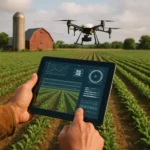
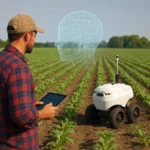
Drones, ground-based robots, and stationary weather stations collaborate to survey forage health and biomass availability. High-resolution imagery and multispectral sensors detect nutrient deficiencies or disease stress in pastures, enabling managers to plan grazing rotations and supplemental feeding schedules. This geospatial intelligence maintains optimal forage yield, lowers reliance on external inputs, and enhances traceability across the feed supply chain.
Integrating IoT Platforms
Farm management systems that aggregate data from feed mixers, conveyor belts, and animal wearables foster a holistic view of the farm ecosystem. Through secure APIs and standardized protocols, information flows seamlessly between hardware vendors and software applications. Such interoperability supports adaptive rationing, where algorithms adjust ingredient ratios based on real-time harvest forecasts or commodity price changes, thereby balancing cost control with dietary adequacy.
- Sensor fusion merges climate, forage, and herd data
- Edge computing reduces latency for critical alerts
- Blockchain modules record each feed batch origin
Optimizing Feed Formulation through Machine Learning
Algorithm-driven Ingredient Selection
Machine learning models analyze historical and live performance metrics to identify the most effective combination of cereals, oilseeds, byproducts, and micronutrient supplements. By predicting how each ingredient influences growth curves, feed conversion ratios, and waste outputs, these systems propose formulations that strike the perfect balance between cost-efficiency and animal health. Continuous retraining ensures that the models adapt to seasonal variations, market shifts, and evolving herd genetics.
Predictive Modeling for Animal Performance
Advanced regression and neural network frameworks forecast weight gain trajectories, milk yield, or egg production based on feed intake data and environmental variables. These predictions allow producers to intervene early—modifying diets or adjusting barn microclimates—to prevent nutritional imbalances or stress-related disorders. Such foresight elevates overall herd optimization and drives herd uniformity.
- Dynamic feed libraries update nutrient profiles daily
- Sensitivity analysis pinpoints critical feed components
- What-if simulations evaluate cost versus performance trade-offs
From Insights to Impact u>Case Studies and Industry Adoption
Commercial Feed Mills Embracing Digitalization
Several leading feed manufacturers now deploy centralized control towers powered by AI to monitor multiple plants simultaneously. They track ingredient sourcing, production schedules, and quality assurance metrics in one integrated environment. By optimizing batch sequencing and automating maintenance alerts for mixers and pellet presses, they achieve higher throughput with fewer shutdowns. These improvements translate into lower per-unit costs and consistent product quality.
Smallholder Farms and Collaborative Platforms
Even modest operations benefit from cloud-based advice networks that deliver region-specific feeding recommendations. Farmers upload local feedstuff availability and herd performance data via mobile apps. In return, agronomists and nutritionists analyze the data, refine models, and suggest tailored feeding plans. This democratization of data access accelerates adoption of best practices, fosters collective learning, and cultivates a more sustainable livestock sector at scale.
- Peer-to-peer benchmarking highlights top performers
- Group purchasing drives down ingredient costs
- Real-time chatbots answer urgent nutrition queries