



The rapid evolution of **smart farming** technologies is reshaping the landscape of modern agriculture. By integrating data-driven decision-making with advanced machinery and connectivity, farmers can optimize yields, reduce waste, and enhance resource efficiency. Yet, the shift towards an **impressive** high-tech approach raises important questions about the balance between initial expenditures and long-term gains. This article delves into the economics of smart agriculture—analyzing both the costs and the benefits that come with embracing precision-driven methods.
Technological Investments and Capital Outlay
Adopting smart agriculture requires significant up-front investments. Farmers must consider the following components:
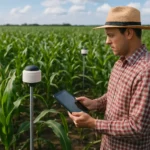
- Sensors and IoT devices for soil moisture, nutrient levels, and weather monitoring
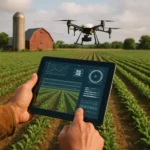
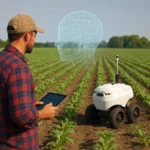
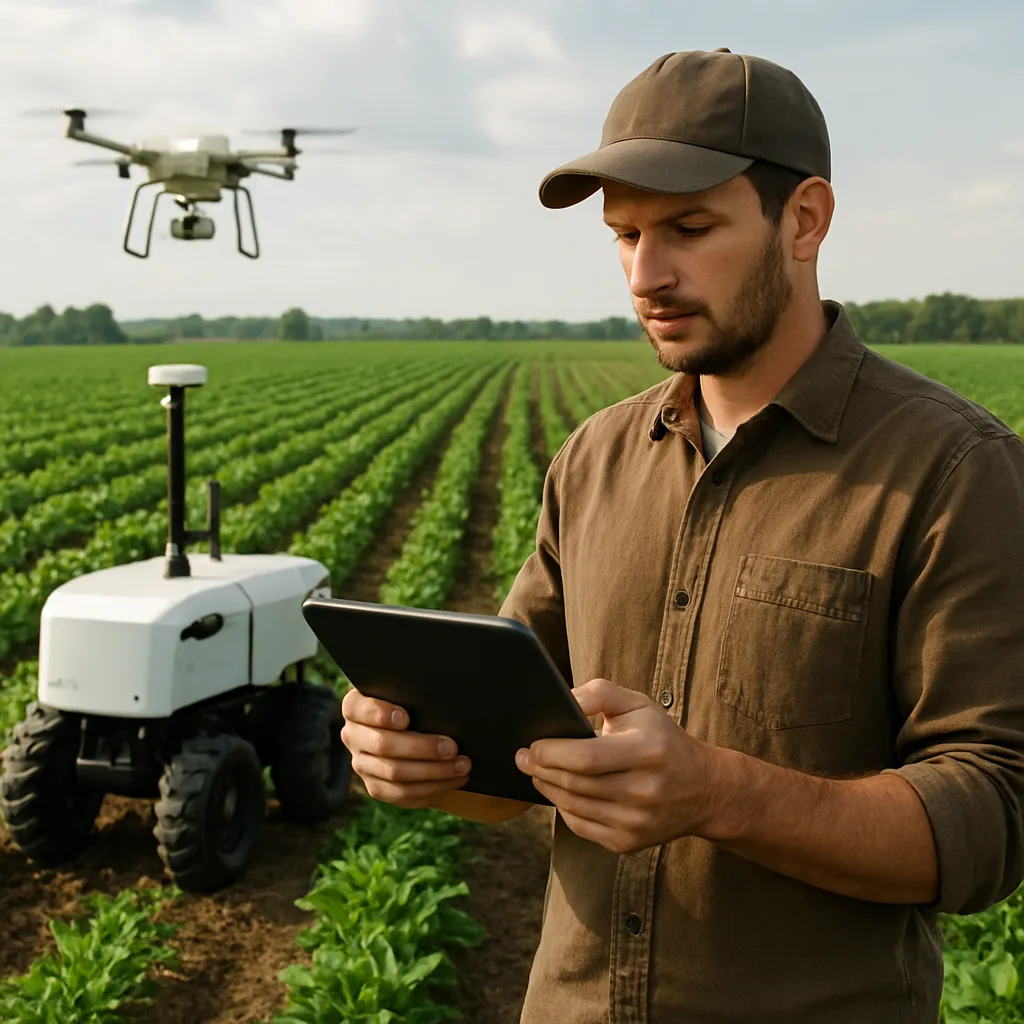
- Autonomous and semi-autonomous machinery such as GPS-guided tractors and drone sprayers
- Software platforms for farm management, data analytics, and real-time decision-making
- Connectivity infrastructure, including 5G, LoRaWAN, or satellite internet, especially in remote regions
Each element contributes to the overall capital outlay:
- Basic sensor kits can range from a few hundred to a few thousand dollars per unit, depending on accuracy and durability.
- High-end drones equipped with multispectral imaging may cost between $5,000 and $20,000.
- Subscription fees for advanced farm management software often run from $50 to $200 per month, per farm or per field.
- Network installation and maintenance can add another 10–15% to the total cost.
While these figures may appear steep, they represent a foundational investment in a more **sustainable** and **resilient** operation. The key question is whether the expected returns justify the upfront spending.
Operational Savings and Efficiency Gains
Once the technological framework is in place, smart agriculture unlocks a suite of operational benefits:
- Water savings of up to 30% through precision irrigation informed by real-time sensor data
- Reduction in fertilizer and pesticide use by up to 20–25% via targeted application guided by soil and crop health analytics
- Lower labor costs through automation of repetitive tasks such as planting, weeding, and harvesting
- Enhanced yield consistency due to timely interventions and optimized growing conditions
For example, a mid-sized grain farm implementing variable-rate technology (VRT) can tailor seed and nutrient inputs to specific field zones. By doing so, the farm typically realizes a 10–15% increase in overall yield, translating into higher revenue per hectare. When multiplied across large acreages, these efficiency gains can quickly offset the initial capital investments.
Moreover, automated machinery reduces the reliance on seasonal labor—often a critical cost factor in traditional agriculture. Autonomous sprayers and harvesters can operate around the clock, leading to faster turnaround times and minimize crop spoilage during peak harvest windows.
Data-Driven Risk Management
One of the most compelling advantages of smart agriculture is its capacity to mitigate risk. Through continuous data collection and advanced analytics, farmers gain insights into potential issues before they escalate:
- Early detection of pest outbreaks using AI-driven image recognition on drone footage
- Real-time alerts for water stress conditions, enabling immediate corrective action
- Weather forecasting integration to optimize planting dates and protect crops from frost or heatwaves
- Predictive models for disease pressure, guiding proactive treatment schedules
Effective risk management has direct economic implications. The cost of a single pest infestation or late-season drought can dwarf routine operational budgets. By leveraging **predictive** analytics, farms can reduce crop losses and insurance premiums, contributing to a more stable bottom line.
Furthermore, traceability solutions built on blockchain or secure data ledgers allow producers to prove the provenance and quality of their goods. This transparency can unlock premium markets and **differentiated** pricing, particularly in high-value segments such as organic or specialty crops.
Market Access and Competitive Advantages
Smart agriculture not only optimizes internal operations but also enhances market positioning. Key benefits include:
- Access to precision-demanding buyers that require documented supply chain transparency
- Ability to participate in digital auctions and commodity exchanges with real-time inventory data
- Strengthened brand reputation as an innovator committed to environmentally responsible practices
- Potential to aggregate data across cooperatives, driving community-level insights and economies of scale
Farmers who adopt advanced practices can often secure higher prices per unit, especially when their data-backed claims verify lower chemical usage or superior quality standards. This competitive edge can yield a price premium of 5–10% on average, enhancing revenue without necessarily expanding acreage.
Challenges and Considerations for Smallholders
While large-scale producers may readily allocate resources to new technologies, smallholder farmers face distinct hurdles:
- High entry costs that may be prohibitive without financing or subsidies
- Limited digital literacy, necessitating training and support services
- Fragmented land holdings, making scalable deployment of sensors and machinery more complex
- Connectivity constraints in rural regions, reducing the reliability of real-time data streams
To address these issues, governments and international organizations are exploring models such as equipment leasing, cooperative purchasing agreements, and microcredit schemes. Extension services are also evolving to include digital literacy programs and on-farm demonstrations of smart technologies.
Quantifying Return on Investment
Calculating ROI for smart agriculture demands a multi-year perspective. Key variables include:
- Up-front capital costs for hardware and network installation
- Recurring software subscriptions and maintenance fees
- Labor cost reductions and yield enhancement
- Price premiums for certified sustainable or traceable products
- Insurance savings through improved risk profiles
As an illustration, consider a 1,000-hectare farm that invests $1.2 million in smart systems. If the combined benefits—higher yields, input savings, labor reductions, and price premiums—generate an additional $300 per hectare per year, the farm realizes $300,000 in annual net gains. Under these assumptions, payback occurs in four years, after which the operation enjoys largely margin-driven benefits.
When factoring in qualitative returns such as improved resource stewardship, brand enhancement, and resilience against climate volatility, the case for smart agriculture becomes even more compelling.
Future Outlook and Innovations
Continued innovation promises to drive down costs and expand access. Emerging trends include:
- Edge computing devices that process data locally, reducing reliance on continuous connectivity
- Open-source platforms for sensor integration, fostering interoperability and lower-priced solutions
- Robotic swarms that collaboratively manage weeding and pollination with minimal human oversight
- Integration of renewable energy sources—solar-powered sensors and machinery—to lower operating expenses
As the technology matures, the economics will further favor producers who proactively integrate data-driven methods. With sustainable practices rising in consumer importance, smart agriculture stands poised as a cornerstone of the **future** of food production.