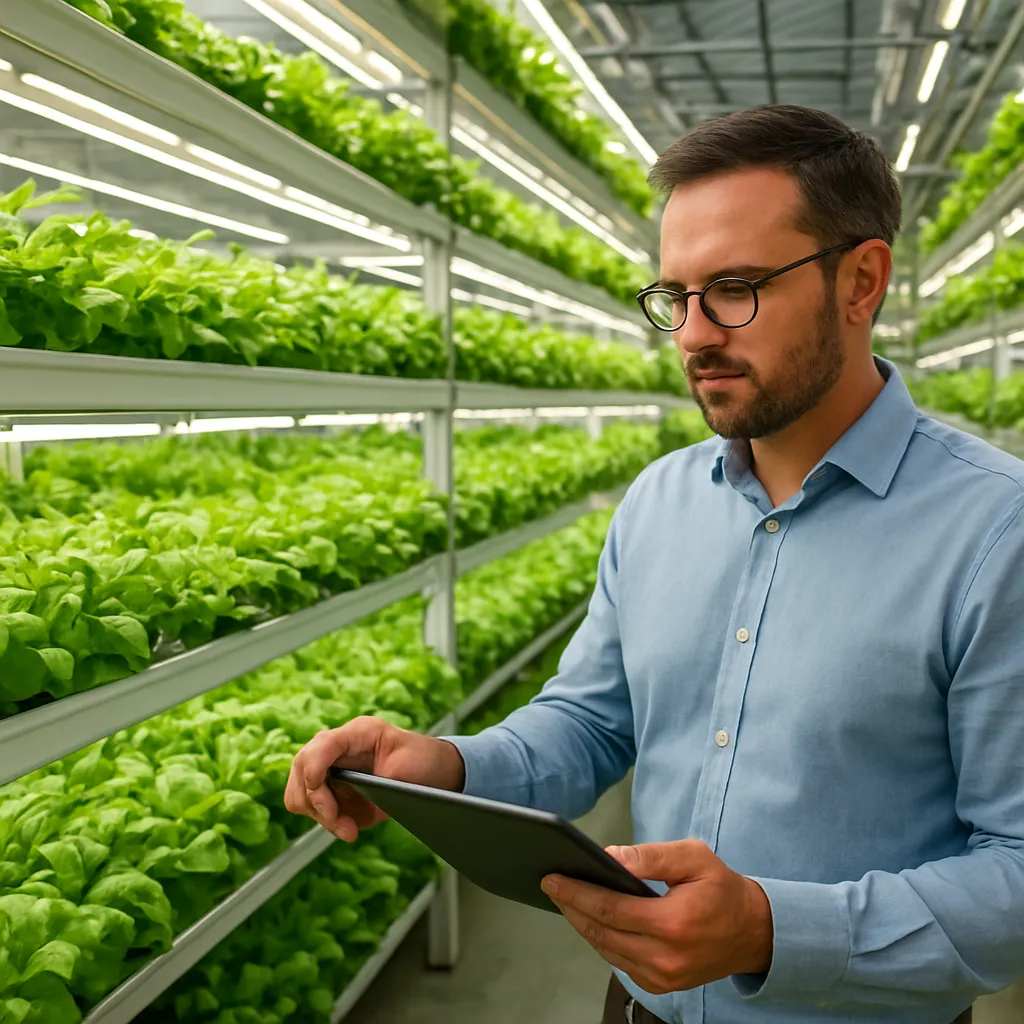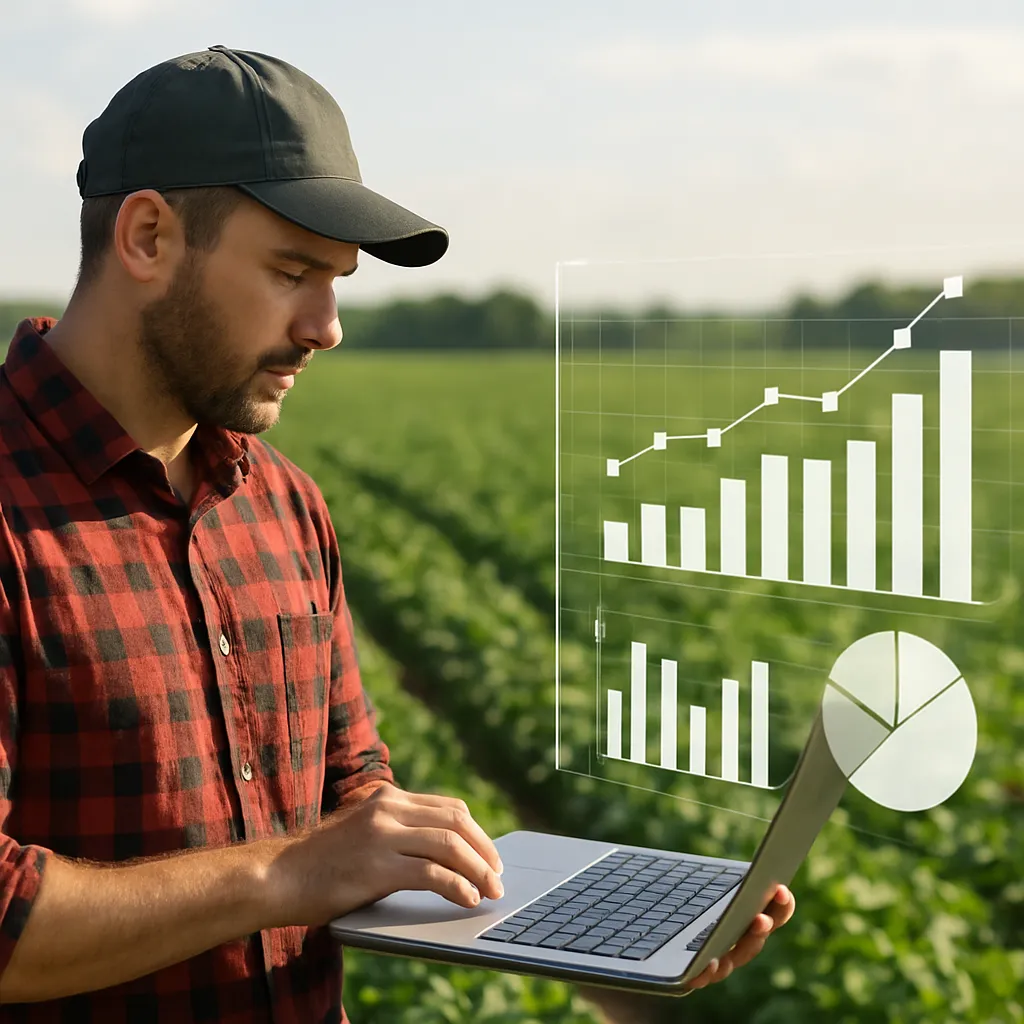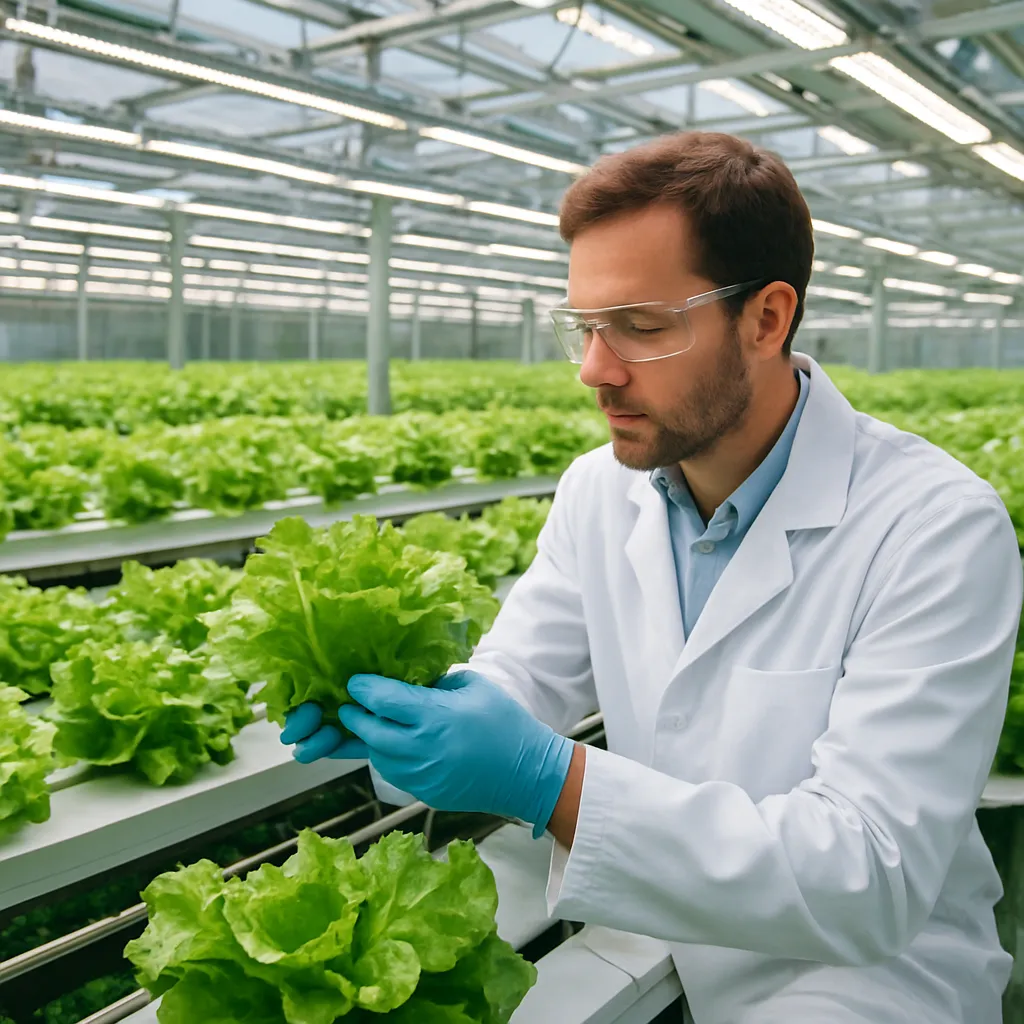


Advancements in computer vision are revolutionizing how the agricultural sector tackles the persistent threat of invasive species. By integrating high-resolution imagery, AI-driven algorithms, and autonomous platforms, growers and researchers can conduct real-time monitoring across expansive fields. This synergy not only enhances early detection but also promotes sustainable land management, safeguards biodiversity, and fortifies overall ecosystem resilience.
The Challenge of Invasive Species in Modern Agriculture
Invasive flora and fauna can decimate crop yields, disrupt soil composition, and spread rapidly beyond containment. Traditional scouting methods rely heavily on manual labor, periodic inspections, and expert knowledge—approaches that are often time-consuming, costly, and prone to human error. With climatic shifts fostering new pest dynamics, the urgency to deploy scalable, precise solutions has never been greater. The cost of inaction goes beyond lost revenue: it erodes soil health, threatens local communities, and undermines long-term sustainability.
Key challenges include:
- Identification of species at different growth stages
- Mapping infestation zones in heterogeneous terrain
- Reducing reliance on chemical treatments
- Minimizing environmental footprint
Leveraging Computer Vision Technologies
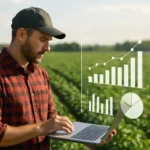
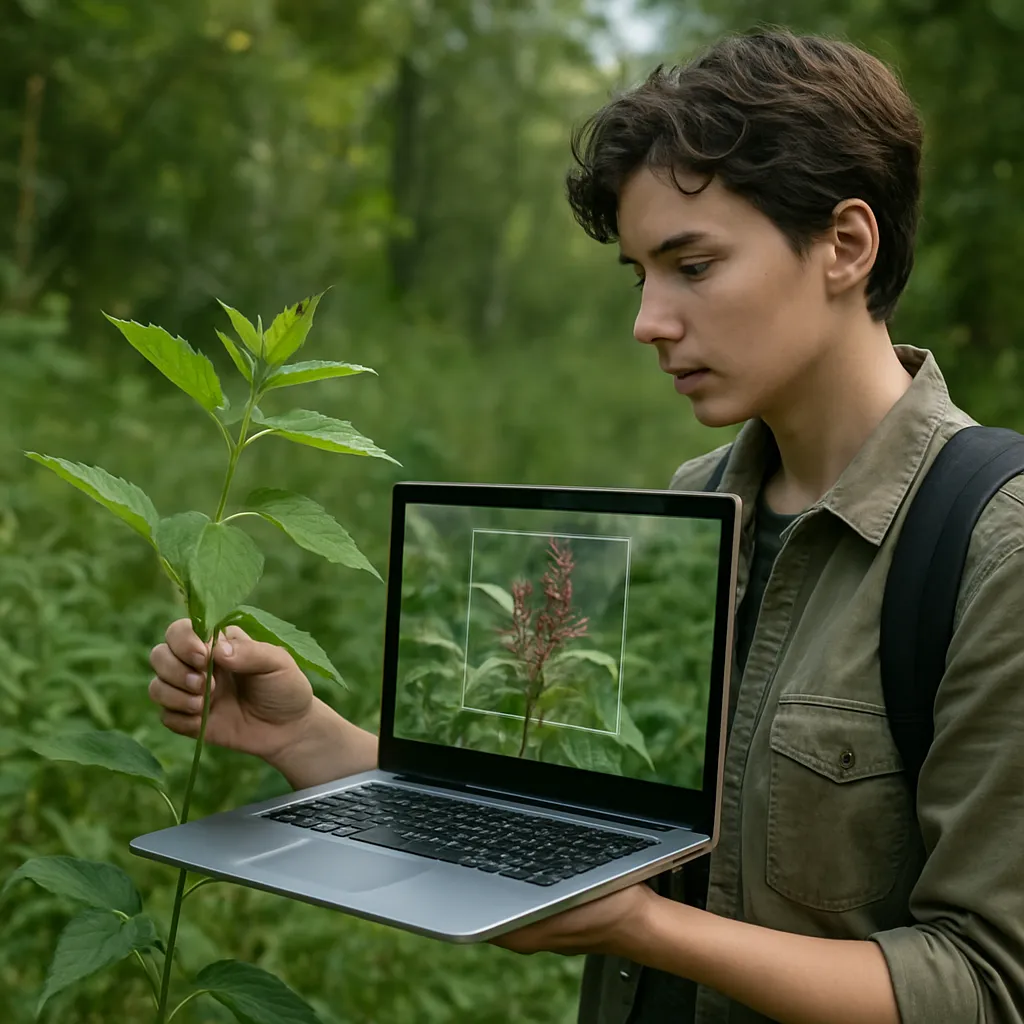
By harnessing state-of-the-art computer vision frameworks, agricultural stakeholders can overcome the limitations of manual scouting. AI models trained on large datasets of plant textures, shapes, and spectral signatures excel in differentiating invasive weeds from crops. Integrating multispectral and hyperspectral cameras amplifies detection capabilities—revealing stress markers and vegetation indices invisible to the naked eye.
AI Model Training
Effective deployment begins with a robust training pipeline:
- Collecting annotated imagery from diverse geographic regions
- Augmenting datasets with synthetic variations (lighting, weather, angle)
- Implementing transfer learning to adapt existing neural networks
- Validating detection accuracy with ground truth sampling
Real-Time Processing
Low-latency inference engines enable near-instantaneous detection on edge devices. Farmers can receive alerts via mobile apps when incipient patches of invasive species appear, triggering targeted removal or treatment. This proactive stance curtails the spread and reduces the need for broad-spectrum herbicides, aligning with eco-friendly best practices.
Case Studies: Drones and Field Monitoring
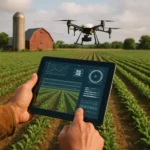
Autonomous aerial platforms, equipped with advanced imaging systems, have become indispensable tools in modern agriculture. Drones can survey hundreds of hectares within hours, producing detailed vegetation maps that highlight anomalies and infestation hot spots.
Precision Herbicide Application
One innovative use case involves coupling drone-based detection with variable-rate sprayers. Once the AI pinpoints invasive clusters, sprayers onboard the drone deliver herbicide only where needed. This method slashes chemical usage by up to 70% while maintaining high efficacy against targeted weeds.
Longitudinal Ecosystem Assessment
Beyond immediate pest control, time-series imagery supports long-term ecological studies. Researchers can monitor succession patterns, assess post-treatment recovery, and refine management strategies. By preserving native flora and curbing invasives, farms become more resilient to future stressors.
Integrating Internet of Things and Data Analytics
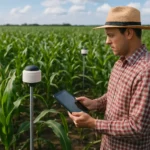
Complementing computer vision, networks of soil moisture sensors, weather stations, and bioacoustic monitors create a comprehensive digital twin of the farm. Data fusion techniques merge visual insights with environmental metrics, unveiling correlations between infestation dynamics and microclimatic conditions.
- Sensors detect soil moisture anomalies that favor weed germination
- Weather data predicts periods of accelerated invasive growth
- Bioacoustic devices monitor pest-associated sounds for early warning
These integrated systems inform adaptive interventions, ensuring that resources are allocated efficiently and risks are mitigated before outbreaks escalate.
Future Directions and Sustainable Practices
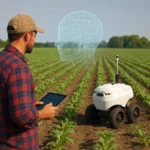
Looking ahead, the intersection of robotics, AI, and renewable energy promises even more scalable solutions. Solar-powered drones equipped with onboard GPUs could achieve drone-in-the-loop processing, eliminating the need for cloud connectivity in remote areas. Collaborative swarms of autonomous rovers may undertake ground-level assessments, complementing aerial surveys with tactile inspection and localized treatment.
Emerging research explores the potential of drones to deliver biological control agents—such as beneficial insects or microbial inoculants—directly onto infested patches. This bio-centric approach aligns with agroecological principles, fostering native biodiversity while suppressing invasives naturally.
By embracing these cutting-edge technologies, the agricultural sector can build a more sustainable future. Precision monitoring, targeted intervention, and continuous data-driven optimization transform pest management from reactive to predictive. As invasive species continue to challenge global food security, computer vision stands as a powerful ally in safeguarding crop systems, protecting ecosystem health, and ensuring resilient yields for generations to come.