

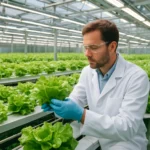
The intersection of cutting-edge technology and modern agriculture heralds a new era of food safety and efficiency. By leveraging distributed ledgers, growers and distributors can ensure unparalleled traceability from seed to plate. Consumers demand higher standards, and farming enterprises seek innovative tools to optimize yield, reduce waste, and uphold ethical practices. This exploration delves into how blockchain networks, integrated with sensor-driven insights, are transforming global food systems into resilient, transparent ecosystems.
Revolutionizing Supply Chains with Blockchain
Advancements in ledger-based networks have unlocked a paradigm where every batch of produce is recorded immutably. The core advantages include decentralized verification, tamper-proof entries, and automated compliance checks. Farmers, processors, and retailers can harness blockchain platforms to streamline operations and foster trust among partners.
- Decentralized Data Access: Each participant maintains synchronized copies of the ledger, enabling real-time updates without a central authority.
- Automated smart contracts: Agreements trigger conditional actions—payments release upon proof of delivery, certifications validate when sensor thresholds are met.
- Cost Reduction: Elimination of redundant paperwork and intermediaries decreases administrative overhead and accelerates invoice settlement.
- Enhanced Food Safety: Rapid identification and isolation of contaminated lots prevent widespread recalls and protect public health.
By embedding QR codes or NFC tags on packaging, end buyers can scan items and instantly verify origin, temperature history, and organic status. This approach elevates consumer confidence and mitigates risks inherent in sprawling global networks.
Enhancing Transparency and Trust
Transparency remains the cornerstone of a resilient supply chain. Embedded ledgers document every milestone—from soil testing to harvest scheduling—ensuring each process aligns with environmental and social responsibility goals. Producers can highlight regenerative and precision methods, while auditors confirm certifications without manual cross-checking.
Real-time tracking portals collate data streams into intuitive dashboards. Retailers access a full provenance record, noting pesticide usage, carbon footprint, and water consumption. This level of granularity fosters brand loyalty and meets stringent regulatory demands across jurisdictions.
Consumer Engagement and Certification
Shoppers increasingly prioritize ethical sourcing and demand verifiable claims. A blockchain-backed system allows them to:
- Scan product codes to view field reports and geolocation stamps.
- Validate authenticity of fair-trade or organic labels via immutable audit trails.
- Track environmental impact metrics and carbon offsets, promoting eco-friendly choices.
These features cultivate a sense of participation in the food journey, bridging the gap between farms and tables.
Integrating IoT and Data Analytics
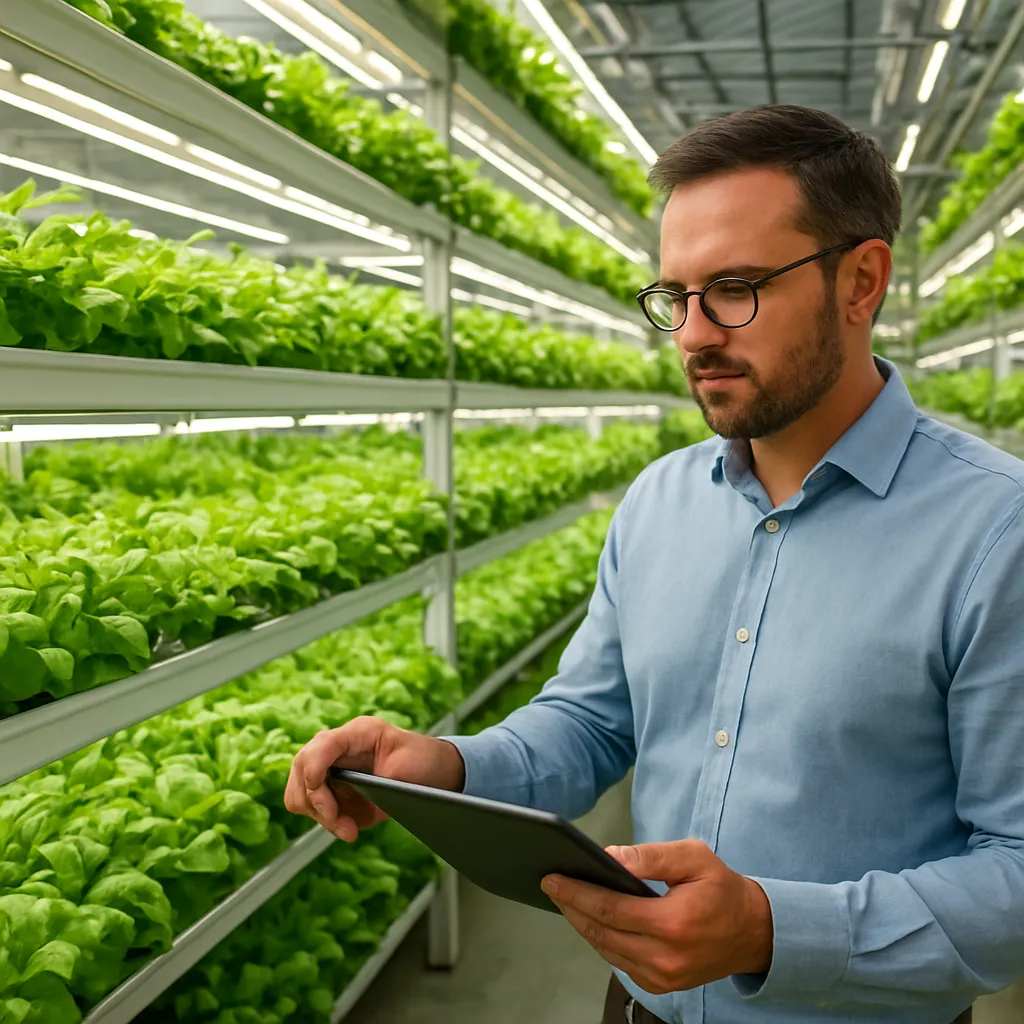
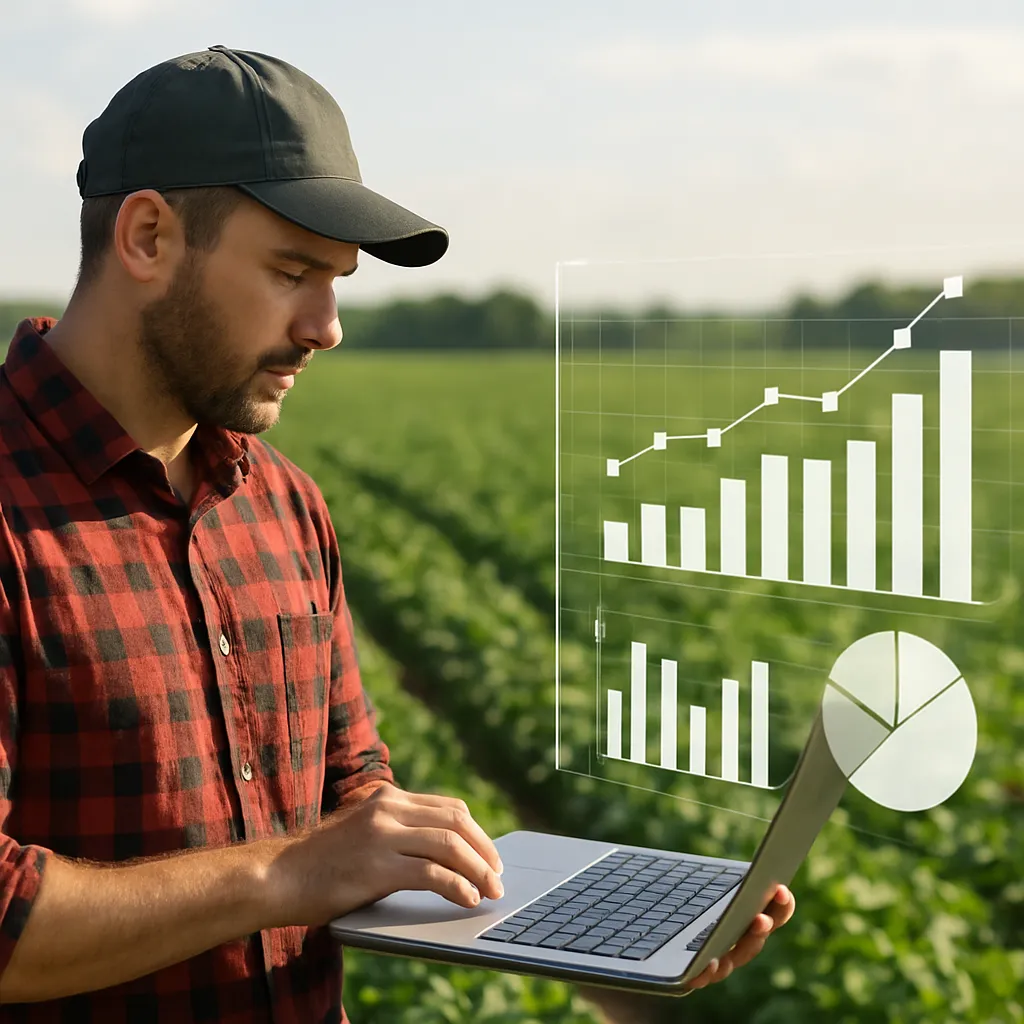
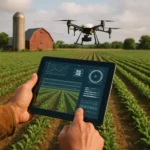
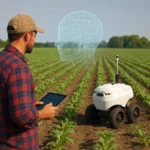
Next-generation agriculture leverages fleets of connected devices and advanced analytics to achieve maximum performance with minimal resource consumption. Soil moisture probes, climate sensors, and aerial drones feed continuous telemetry into blockchain oracles, forming a holistic digital twin of the farm.
- IoT-Enabled Monitoring: Wireless nodes capture humidity, pH level, and nutrient data, ensuring crops thrive under optimal conditions.
- Edge Computing: Local gateways preprocess sensor output, reducing network load and providing instant alerts for anomalies.
- Predictive Models: Machine learning algorithms forecast pest infestations and disease outbreaks, enabling preemptive interventions and reducing chemical use.
- Precision farming Techniques: Automated irrigation systems apply water exactly where needed, conserving resources and boosting yields.
Data streams are anchored on the ledger, guaranteeing that any adjustment—from a fertilizer application to a harvest date change—is recorded permanently. This fusion of real-world signals and immutable records underpins accountability throughout the value chain.
Challenges and Opportunities
Despite its promise, implementing distributed ledgers in agriculture faces hurdles. High initial investment, interoperability issues, and digital literacy gaps can slow adoption. Legacy systems may struggle to integrate with modern APIs, and smallholder farmers often lack infrastructure for continuous connectivity.
However, collaborative initiatives and open-source toolkits are lowering barriers. Governments and NGOs offer grants to pilot decentralized traceability projects, while consortia define universal standards to ensure seamless data exchange. Training programs empower agronomists and cooperatives to manage cryptographic keys and run permissioned networks.
As technology matures, a new ecosystem emerges—one where producers, processors, distributors, regulators, and consumers become active stakeholders in a shared digital ledger. This inclusive framework drives equitable growth and fosters global food security.
By uniting ledger-based transparency with sensor-driven insights, the agricultural sector can achieve unprecedented levels of safety, efficiency, and trust. The journey toward fully traceable food systems is well underway, promising a future where every bite tells a story of innovation, collaboration, and responsible stewardship.